Category: News

Compass Digital Blog: Stay informed with the latest news, events, updates, and trends on Technology, Digital Transformation, and IT trends for businesses. Keep up to date with our expert IT consulting articles!
NewsTechnology
Futuristic 5g wireless network, AI robot hand tap on wifi icon

AI Act 2026: What Changes and How It Affects Businesses

AI Act 2026: Key Considerations for Businesses

Artificial Intelligence has become a widely used tool for many businesses: content generation, chatbots, data analysis, process automation and intelligent assistants are just some examples.

However, its use also brings new responsibilities. The AI Act, the European Union’s Artificial Intelligence Regulation, establishes a common framework to ensure that AI systems are developed and used in a safe, transparent and responsible manner.

In 2026, one of the most important phases of its implementation is reached. What changes, and how does it affect businesses?

What is the AI Act?

The AI Act, or the European Union Artificial Intelligence Act, is the EU regulation governing the development and use of AI systems according to the level of risk they may pose.

The regulation establishes different risk levels and obligations for providers and organisations that use Artificial Intelligence systems.

Although it entered into force in August 2024, its provisions are being applied progressively.

What Changes with the AI Act in 2026?

From 2 August 2026, a new stage in the implementation of the AI Act begins, with a significant part of its provisions becoming applicable.

These include requirements relating to the transparency of certain Artificial Intelligence systems.

For example, when a person interacts directly with certain AI systems, such as a chatbot, they must be informed that they are interacting with Artificial Intelligence when this is not otherwise obvious.

There are also transparency requirements relating to certain content generated or manipulated using AI, including deepfakes.

In addition, the AI Act establishes specific requirements for systems considered high-risk, although the regulatory timeline for this category has been subject to adjustments and should be reviewed on a case-by-case basis.

Which Businesses Are Affected by the AI Act?

The AI Act does not only affect large technology companies that develop Artificial Intelligence models.

It may also affect businesses that integrate or use AI systems in their processes, depending on the type of tool, its purpose and the role played by the organisation.

It is therefore advisable to assess how Artificial Intelligence is currently being used within the company and which obligations may apply in each case.

What Should Businesses Do?

The first step is to understand which Artificial Intelligence tools are being used and for what purposes.

Businesses should:

  • Identify the AI systems and tools used within the organisation.
  • Analyse the risks associated with each use case.
  • Review the applicable transparency requirements.
  • Ensure appropriate human oversight where necessary.
  • Train professionals who use Artificial Intelligence systems.
  • Establish internal policies for the safe and responsible use of AI.

This is not simply about regulatory compliance. Effective Artificial Intelligence governance can help reduce risks and make better use of the opportunities offered by this technology.

Preparing for the Future of Artificial Intelligence

The progressive implementation of the AI Act in 2026 represents another step towards a more transparent, safe and responsible use of Artificial Intelligence in Europe.

For businesses, it is also an opportunity to review how they are incorporating AI into their processes and establish a strategy that combines innovation, technology and compliance.

At CompassDigital, we help organisations address their digital transformation processes by incorporating new technologies and solutions tailored to their business needs.

Is your company ready for the new challenges of Artificial Intelligence?

NewsTechnology

Expert Talk: The Real Return on Innovation

Innovation, certification and business competitiveness

Yesterday, we had the opportunity to attend the technical event “Expert Talk: The Real Return on Innovation”, organised by OCA Global in collaboration with AVS Consulting, SENTIATECH and the Ministry of Science, Innovation and Universities.

The event provided a practical overview of the entire innovation cycle, addressing key aspects such as the strategic definition of projects, proper documentation and structuring, certification, and the effective use of available incentives with the highest standards of legal certainty. During the session, the importance of combining innovation with effective project planning and management was highlighted, enabling organisations to maximise their value and turn innovation efforts into growth, competitiveness and tangible results.

The presentations and round-table discussion offered different perspectives on the challenges and opportunities organisations face in this area, while also creating a space for exchanging knowledge and experiences among the various stakeholders within the innovation ecosystem.

For CompassDigital, events like this allow us to broaden our understanding of the innovation ecosystem and continue delivering value to our clients, helping them approach their digital transformation processes from a more strategic and results-oriented perspective.

We would like to thank OCA Global for inviting us to this event and for the opportunity to share a day of learning and networking with companies, experts and institutional representatives committed to promoting innovation and business competitiveness.

NewsTechnology
Millennial Asia businessmen and businesswomen meeting brainstorm

Business Process Automation: How to Save Time

How many hours does your team lose every week on manual tasks?

Copying data between systems, managing emails, preparing reports or entering leads into a CRM are common tasks in many companies. They are not complex, but they are repetitive.

And that is precisely the problem: when these tasks are repeated every day or every week, they end up consuming a considerable amount of time.

Business process automation eliminates this manual work, reduces errors and improves operational efficiency without the need to replace your existing systems.

What is business process automation?

Process automation involves designing workflows in which systems automatically perform actions when a specific event occurs.

For example:

Web form → automatic CRM entry → email → sales team notification

The entire process runs without manual intervention.

Technologies such as ChatGPT can add an additional layer of automation, for example by classifying requests or generating responses, but the real value lies in automating the entire workflow.

Signs your company needs process automation

If any of the following are part of your daily operations, there is a clear opportunity for improvement:

  • Manually entering data into multiple systems
  • Managing leads or customers manually
  • Sending repetitive emails
  • Preparing recurring reports
  • Processes that always depend on one person

When a task is repeated constantly, it is a good candidate for automation.

The hidden cost of manual processes

Manual processes are often not perceived as a problem, but their impact is real:

  • Time wasted on low-value tasks
  • Greater risk of errors
  • Operational delays
  • Lack of traceability

They also make it more difficult to scale the business: as volume increases, so does the manual workload.

It is not just a matter of efficiency. It is a matter of growth.

An example of business process automation

A common process in many companies:

  1. A form or email is received
  2. Someone reviews the information
  3. The data is entered into the CRM
  4. A response email is sent
  5. The team is notified

With automation:

Form → CRM → automated email → internal notification

Same result, with no manual intervention and in less time.

Where are the biggest automation opportunities?

In most organisations, automation has the greatest impact in the following areas:

  • Administrative processes

Email management, data entry and repetitive tasks.

  • Sales processes

Lead management, customer follow-up and CRM processes.

  • Reporting processes

Report generation and data consolidation.

These are critical processes, yet in many companies they are still handled manually.

Where to start

    1. Identify repetitive tasks
    2. Identify where information moves between systems
    3. Define an automated workflow
    4. Integrate your systems

    Automating even a single process can already have a significant impact.

Business process automation with CompassDigital

At CompassDigital, we analyse your operations, identify manual tasks and design automations that integrate with your existing systems.

The goal is to reduce operational workload and improve real efficiency.

If there are tasks in your company that someone has to perform over and over again, it is not an isolated problem.

It is a process that can be automated.

NewsTechnology
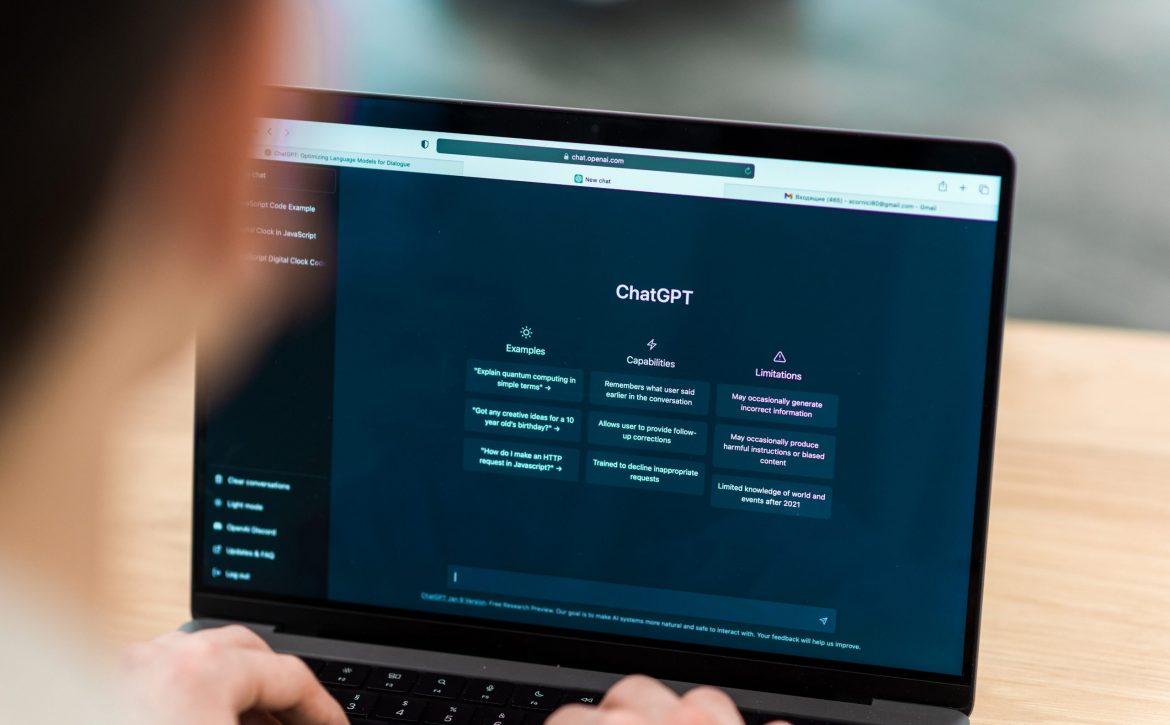
Opened AI chat on laptop

How to know if your company appears in ChatGPT

For years, one of the key questions in digital marketing has been:

Where does my company rank on Google?

Today, that question is no longer enough.

More and more users are turning to tools like ChatGPT, Gemini, or Perplexity to get direct answers. They no longer search they ask.

This raises a new critical question for businesses:

Does my company appear in AI-generated answers?

The problem: most companies don’t know

In reality, most companies:

  • don’t know if they appear in ChatGPT

  • don’t know which competitors do

  • don’t know what information AI is using about their brand

This has a direct impact on business.

If your company doesn’t appear in those answers, you are not part of the decision-making process.

How to check if your company appears in ChatGPT

Although there is no ranking like in Google, you can perform a first basic check:

Simulate real searches

Ask questions the way a potential customer would:

  • “best companies in [your sector]”

  • “which provider to choose for [service]”

Check whether your company appears and which competitors are mentioned.

Search for your own company

Try:

“what is [your company name]”

This helps you understand:

  • how AI describes your company

  • whether the information is accurate

  • whether it aligns with your positioning

Analyze your digital presence

If your company lacks relevant content or clear authority, it is much less likely to appear in AI-generated responses.

Why your company may not appear

The most common reasons are:

  • poorly structured content

  • lack of specialization

  • strategy focused only on traditional SEO

  • low digital authority

The solution: GEO

Generative Engine Optimization (GEO) allows you to optimize your digital presence so your company can appear in AI-generated answers.

It’s not just about ranking content.

It’s about something much more important:

Turning your company into a trusted source for AI systems

Want to know if your company appears in AI?

A GEO audit allows you to understand:

  • whether your company is appearing

  • which competitors are taking your place

  • what actions you need to take to position yourself

Request a GEO audit and improve your visibility in AI-driven search.

NewsTechnology

Business Cybersecurity: 7 Risks for Companies

Digitalization has transformed the way companies operate, manage information, and deliver services. However, this technological evolution has also increased the risks related to digital security.

Today, business cybersecurity has become a key element in protecting systems, applications, and data. A cyberattack can lead to anything from the loss of critical information to the complete disruption of an organization’s operations.

Moreover, cybercriminals no longer focus only on large corporations. Small and medium-sized businesses are increasingly becoming targets, especially when their systems are not properly secured or updated.

For this reason, integrating security into software maintenance is essential to detect vulnerabilities before they turn into critical incidents.

Why Business Cybersecurity Is Critical for Companies

Companies rely more than ever on applications, digital platforms, cloud services, and data management systems. This means that any technological vulnerability can become an entry point for a cyberattack.

A security incident can lead to:

  • theft of confidential information

  • loss of critical data

  • disruption of digital services

  • reputational damage

  • legal penalties due to regulatory non-compliance

For this reason, security should no longer be considered just a technical aspect, but a strategic component of a company’s technology management.

The 7 Main Cybersecurity Risks for Businesses

1. Ransomware

Ransomware is one of the most common attacks today. It involves blocking or encrypting a company’s systems to demand a ransom payment in exchange for restoring access to the data.

These attacks can completely paralyze an organization and cause significant financial losses.

2. Phishing and Credential Theft

Phishing is a technique used to deceive users through fraudulent emails or messages.

The goal is to trick employees into entering their credentials on fake websites or downloading malicious files, allowing attackers to access company systems.

3. Vulnerabilities in Applications and Software

Many companies use internal applications or custom-developed software that may contain security vulnerabilities over time.

If these applications are not reviewed or updated, they can become an entry point for cybercriminals.

It is essential to apply best practices such as security audits, code reviews, and continuous dependency updates.

4. Misconfiguration of Cloud Services

The use of cloud services has grown significantly in recent years. However, many security breaches occur due to incorrect cloud configurations.

Exposed databases, misconfigured permissions, or publicly accessible services can put sensitive company information at risk.

5. Outdated Systems

One of the most common issues in organizations is keeping systems or applications outdated for long periods.

Attackers often exploit known vulnerabilities in older software versions, making outdated systems one of the main security risks.

6. Lack of System Monitoring

Many companies do not detect an attack until it has already caused significant damage.

Continuous system monitoring allows organizations to detect abnormal behavior, suspicious access, or intrusion attempts before they escalate into serious incidents.

7. Lack of a Cybersecurity Strategy

One of the biggest risks for organizations is not having a clear cybersecurity strategy.

Implementing isolated solutions such as antivirus or firewalls is not enough. Security must be integrated into the technological architecture, software development processes, and ongoing system maintenance.

Only then can real protection against current threats be ensured.

Cybersecurity as Part of Technology Maintenance

Cybersecurity is not a one-time action, but a continuous process that must be part of a company’s overall technology strategy.

Having a specialized software maintenance service allows companies to:

  • detect vulnerabilities in applications

  • apply updates and security patches

  • improve technological architecture

  • continuously monitor systems

Integrating cybersecurity into technology maintenance helps reduce risks and ensures business continuity in an increasingly digital environment.

At CompassDigital, we help companies improve the security of their systems through software maintenance services, technology architecture, and specialized consulting.

Contact our team and discover how we can help you protect your technological infrastructure.

NewsTechnology

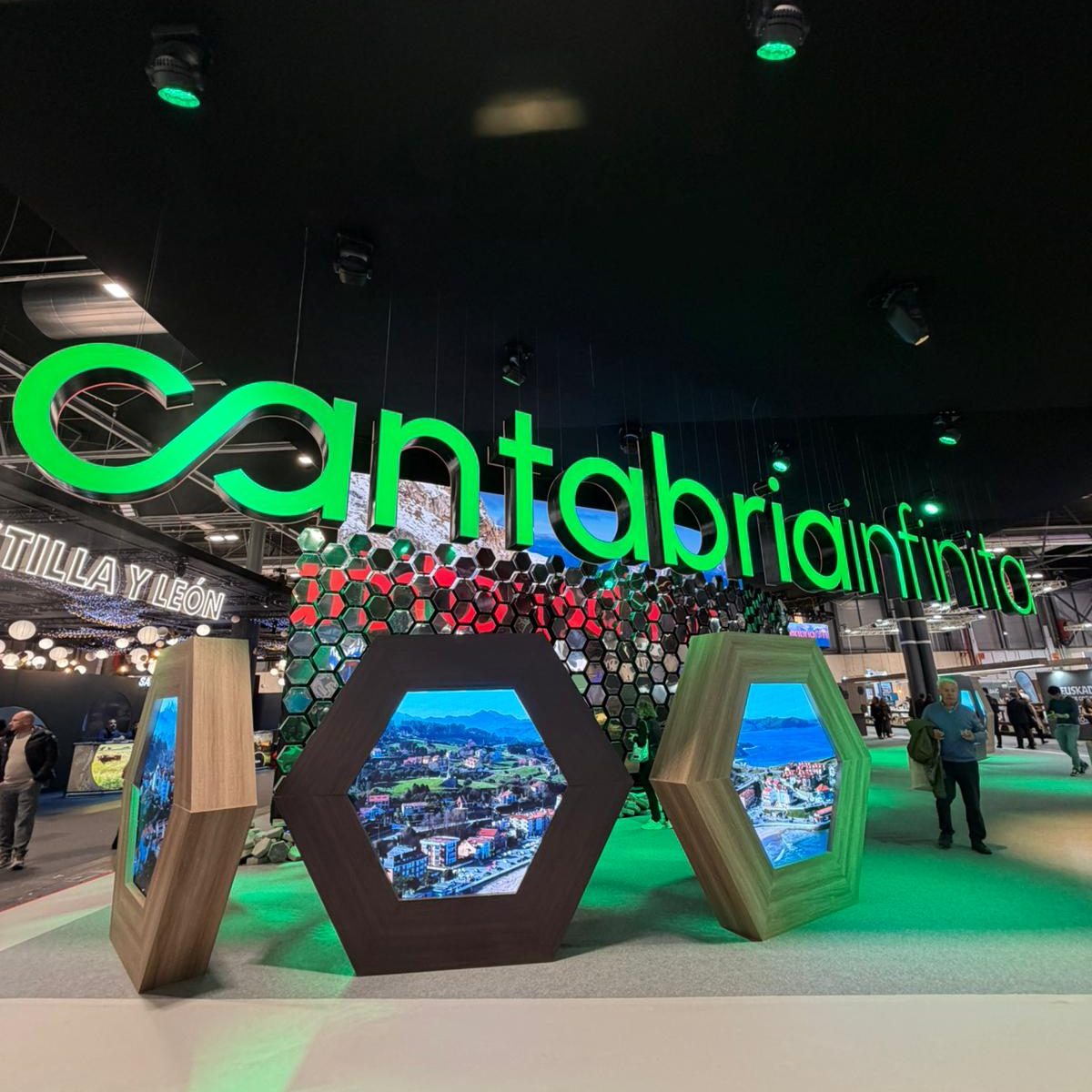
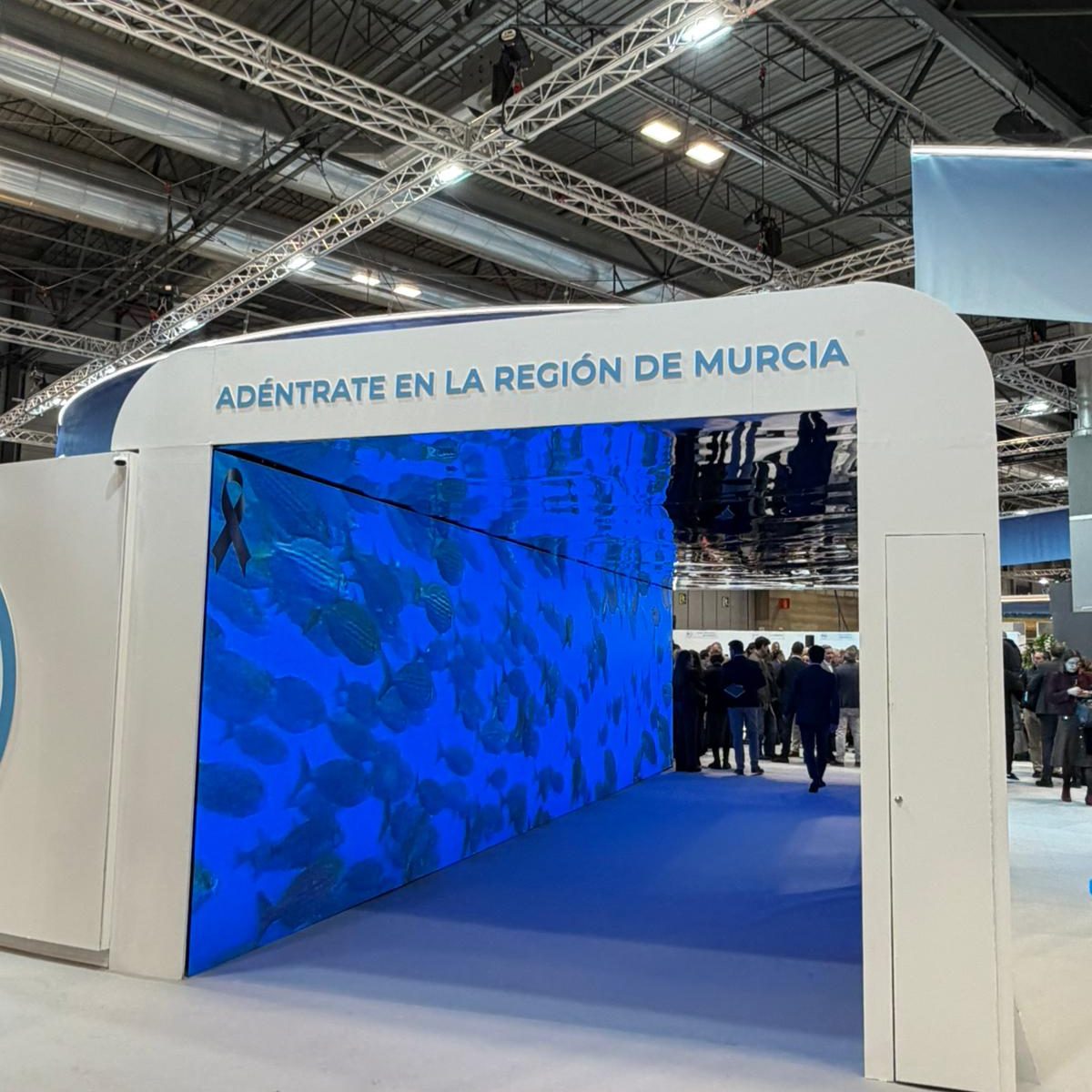
Compass Digital at FITURTECHY 2026: Technology Consulting for the Tourism Sector

From January 21 to 25, the international tourism sector gathers at FITUR, held at IFEMA Madrid.

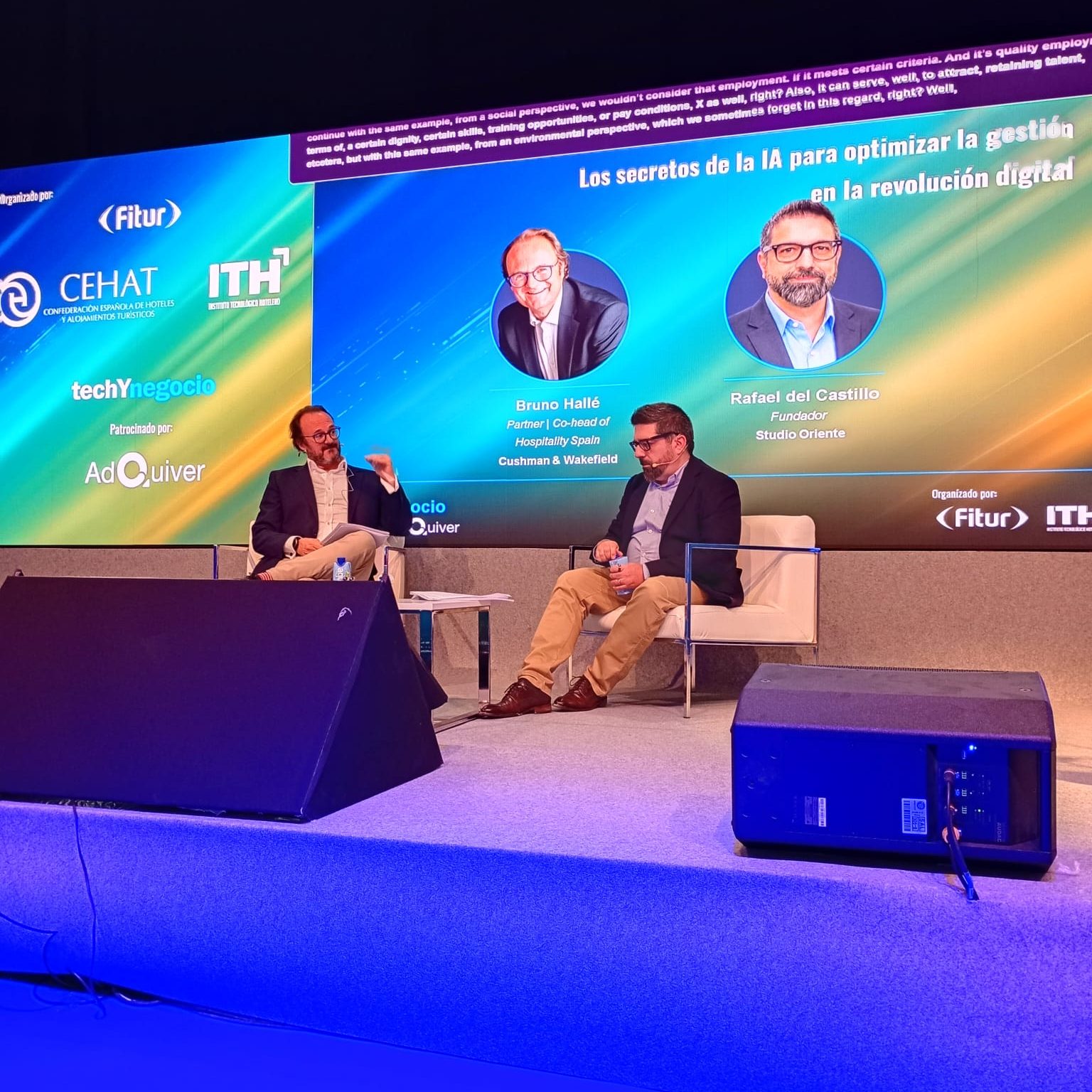
The CompassDigital team was present at FITURTECHY, the leading space where the real impact of technology on the evolution of the tourism sector is analysed.

FITURTECHY: technology, business and sustainability

Held on January 21, 22 and 23, FITURTECHY, organised by the Instituto Tecnológico Hotelero (ITH), has established itself as the key forum to address:

  • Technology architectures for tourism companies

  • Digitalisation of critical processes

  • Data platforms and advanced analytics

  • Technology applied to sustainability and operational efficiency

A strategic environment for organisations seeking to align technology, business and sustainable growth.

Current technological challenges in the tourism sector

During FITURTECHY, several of the main technological challenges faced by tourism companies were discussed:

  • System integration and modernisation of legacy platforms

  • Scalability and performance in complex digital environments

  • Data exploitation for strategic decision-making

  • Process automation to improve efficiency and reduce costs

  • Responsible use of technology as a driver of sustainability

Challenges that require strategic vision, technical expertise and deep sector knowledge.

CompassDigital: technology consulting specialised in tourism

At CompassDigital, we are an IT consultancy with extensive experience in the tourism sector, supporting companies in:

  • Defining digital transformation strategies

  • Designing scalable technology architectures

  • Implementing tailor-made solutions

  • Optimising processes through automation and data

Our presence at FITURTECHY reinforces our positioning as a technology partner for tourism companies looking to evolve their business model through technology.

Technology as a driver of competitiveness

Participation in forums such as FITURTECHY allows us to anticipate trends, share knowledge and translate innovation into real-world projects.

At Compass Digital, we continue to invest in specialised IT consulting as a key element in building a more efficient, digital and sustainable tourism industry.

If your company is looking for a technology partner, let’s talk.

NewsTechnology

PRAN Conference 2025

Last Tuesday, the CompassDigital team attended the PRAN Conference “Debunking Myths, Tackling Resistance”, held at the headquarters of the Spanish Ministry of Health. This annual event, organised by the National Plan against Antibiotic Resistance (PRAN) and the Spanish Agency for Medicines and Medical Devices (AEMPS), brought together healthcare professionals, science communication experts, public institutions and organisations from across the One Health field.

This year’s edition focused on analysing media misinformation surrounding antimicrobial resistance and the key role society plays in tackling the spread of fake news related to antibiotic use. Antimicrobial resistance is one of the greatest global public health challenges, and addressing it requires reliable information, training and digital tools that support informed decision-making.

During the conference, several specialists discussed how myths and misinformation affect public perception and contribute to the inappropriate use of antibiotics. The event also highlighted PRAN’s progress in areas such as human health, animal health and the environment, reinforcing the need for an integrated, collaborative and sustainable approach.

Technology and Public Health: Our Commitment

As a company specialising in digital solutions for public-sector organisations, we firmly believe in the role of technology in:

  • improving epidemiological surveillance,
  • supporting the management of public health programmes,
  • facilitating access to reliable information,
  • and strengthening the fight against antimicrobial resistance.

Events such as the PRAN Conference allow us to stay aligned with the real needs of the sector, contribute our expertise and continue advancing projects that generate a positive and sustainable impact.

NewsTechnology

Madrid Tech Show 2025

The CompassDigital team attended the 2025 edition of Madrid Tech Show, Spain’s leading technology event. A key meeting point for companies and professionals in artificial intelligence, cloud computing, cybersecurity, and digital transformation, where the future of technology takes shape.

Inspiration, learning and a vision for the future

During our visit, we explored the latest technological trends transforming the industry — from generative AI and intelligent automation to Zero Trust security and hybrid infrastructures.

The event made it clear that artificial intelligence is no longer a promise but a powerful tool for improving efficiency, streamlining processes, and creating new digital experiences. Likewise, hybrid cloud and edge computing have become key strategies for companies seeking flexibility, performance, and security.

Cybersecurity: the great digital challenge

One of the most relevant topics at Madrid Tech Show was cybersecurity, a growing priority as organizations continue to digitize their operations. Discussions around Zero Trust models and automated defense highlighted the need for a proactive approach to data protection.

At CompassDigital, we share this perspective: security must be a core pillar of every digital transformation strategy. That’s why we continue to strengthen our expertise and solutions to help clients protect their information and ensure business continuity.

A renewed commitment to innovation

Beyond trends and technologies, Madrid Tech Show reaffirmed a key idea: innovation only matters when it helps people and organizations grow.

At CompassDigital, we remain committed to a modern, efficient, and sustainable approach to IT consulting. We invest in continuous learning, adopt emerging technologies, and design tailored solutions that drive responsible digital transformation.

NewsTechnology

CompassDigital at the Tourism Innovation Summit 2025

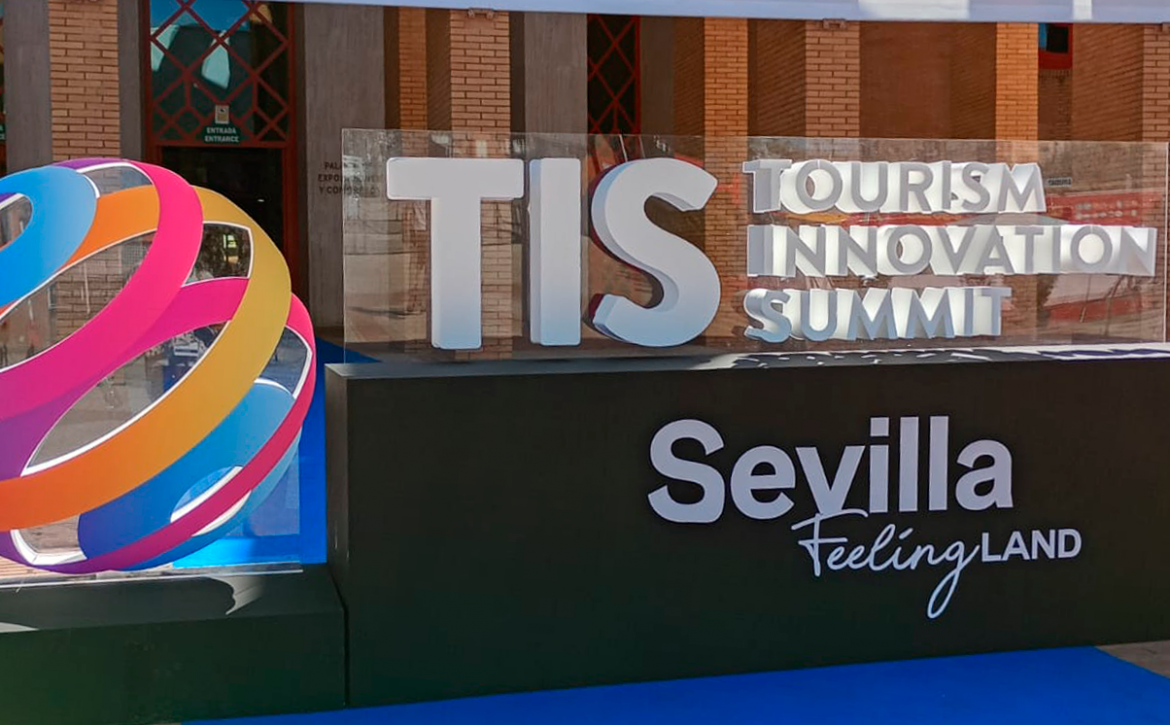
At Compass Digital, we couldn’t miss the Tourism Innovation Summit 2025 (TIS) — the international event held in Seville that brings together leading voices from the tourism and technology industries.
Our visit confirmed what we already believed: the path we’re following toward the digitalization of tourism is the right one.

Artificial intelligence driving a new era in tourism

Artificial intelligence (AI) took center stage at this year’s summit.
The sessions and discussions highlighted how AI is helping tourism businesses increase productivity, optimize operations, and create more personalized traveler experiences.

The use of generative AI, smart automation, and predictive personalization is already redefining how travelers interact with destinations — making tourism more connected, agile, and human-centered than ever before.

Automation and technology that enhance human hospitality

At Compass Digital, we believe technology doesn’t replace human attention — it amplifies it.
Our digital solutions enable hotels and accommodations to automate routine tasks, streamline management, and deliver more personalized service to every guest.

With innovations such as remote reception, intelligent systems, and AI-powered platforms, teams can focus on what truly matters: caring for guests and creating outstanding experiences, wherever they are.

Custom solutions for every accommodation

Every property, every region, and every guest is different.
That’s why at Compass Digital, we design custom digital solutions built around the real needs of each project.

Our goal is simple: to use technology to enhance efficiency without losing the human warmth that defines hospitality.

The future of tourism is already here — and at Compass Digital, we work every day to make it more connected, efficient, and human.

If you’d like to explore how we can help your business optimize operations and elevate your guests’ experience, get in touch with our team and take the next step toward digital transformation.


NewsTechnology

Empack Madrid 2025: Technological Innovation for Logistics

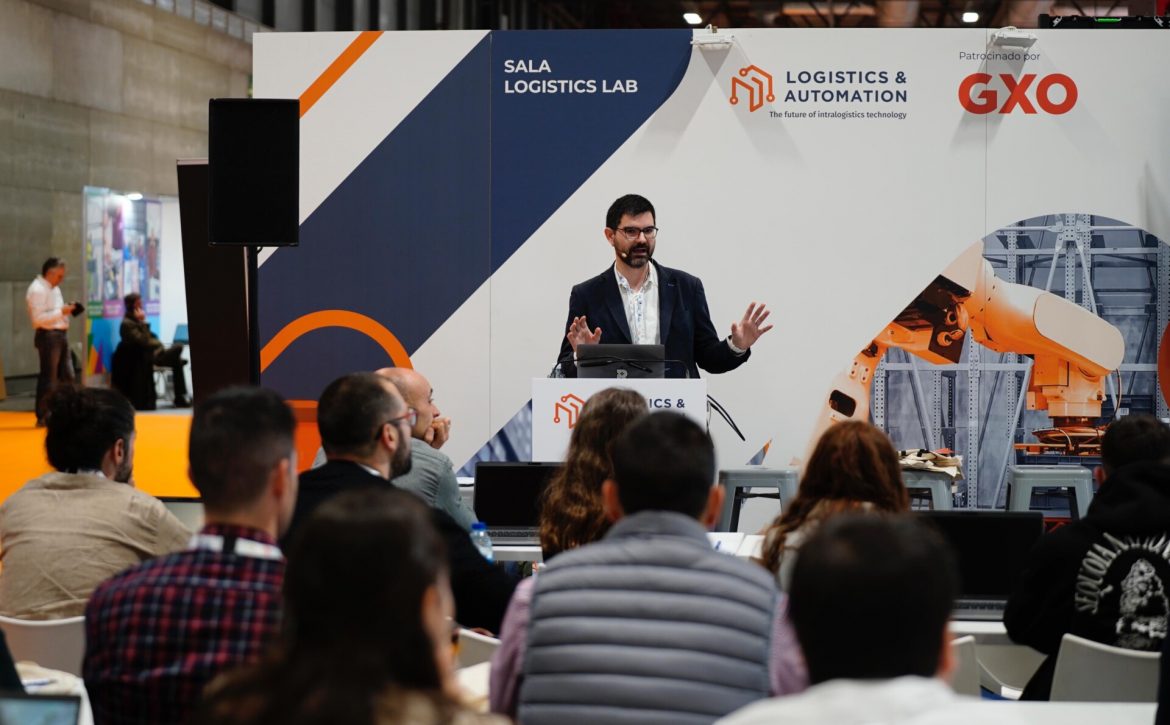
The CompassDigital team visited Empack Madrid 2025, the leading event in packaging, automation, and logistics, held at IFEMA Madrid.

During our visit, we focused on the Logistics & Automation area, where we explored the latest trends in logistics technology, industrial automation, and digital innovation.

Our presence at Empack reinforces CompassDigital’s commitment to the digital transformation of the logistics sector, offering tailor-made technological solutions that adapt to each company’s needs to improve efficiency, traceability, and decision-making.

In this edition, we met with partners and industry leaders to jointly analyze innovations in:

  • Fleet and warehouse management and traceability

  • Automation of logistics processes

  • Real-time data integration

  • Artificial Intelligence applied to logistics

  • Digital solutions to enhance productivity and sustainability

At CompassDigital, we help logistics companies digitize and optimize their operations, developing custom solutions that boost competitiveness and adaptability in an increasingly demanding environment.

In addition to providing technological solutions for logistics, we also offer specialized technical professionals who can strengthen company teams in digitalization and operational expansion projects.

Discover how we can help you optimize your logistics at CompassDigital