
logotype
  • Compass
  • Customers
  • Services
    • Website Design and Development
    • Data & Analytics
    • E-commerce 
    • Software and systems maintenance 
  • Business sectors
    • AAPP
    • Healthcare
    • Retail
    • Industry
  • Success Stories
  • News
  • Contact
  • English
    • Español
  • Compass
  • Customers
  • Services
    • Website Design and Development
    • Data & Analytics
    • E-commerce 
    • Software and systems maintenance 
  • Business sectors
    • AAPP
    • Healthcare
    • Retail
    • Industry
  • Success Stories
  • News
  • Contact
  • English
    • Español
logotype
logotype
  • Compass
  • Customers
  • Services
    • Website Design and Development
    • Data & Analytics
    • E-commerce 
    • Software and systems maintenance 
  • Business sectors
    • AAPP
    • Healthcare
    • Retail
    • Industry
  • Success Stories
  • News
  • Contact
  • English
    • Español
Author: CompassDigital
Technology
0 Comments
Share article:TwitterFacebookPinterestLinkedin
30 Views
1 Like

Technology Partner: The Key to Stability, Security and Digital Growth

In most companies, technology is no longer just a support function — it is the engine that drives operations, customer relationships, and growth capacity. However, many organizations still manage their IT reactively, putting out fires as they arise instead of relying on a technology partner who provides long-term vision, prevention, and strategic direction.

An IT partner is not a one-off service provider. It is a trusted ally who understands the business, aligns with its objectives, and ensures that infrastructure, security, and systems evolve at the same pace as the company.

At CompassDigital, we act as a technology partner for companies that require operational stability, cost control, and a clear roadmap for digital transformation.

What Exactly Is a Technology Partner?

A technology partner is a specialized team that comprehensively manages a company’s IT ecosystem:

  • Infrastructure and systems

  • Cybersecurity

  • Cloud and virtualization

  • User support

  • Technology consulting and evolution

The key differentiator is continuity: a true partner does not intervene only when problems arise, but proactively prevents incidents, optimizes resources, and aligns technology with business goals.

1. Strategic Vision Aligned with Business Objectives

From an executive perspective, technology should enable growth — not create uncertainty. An IT partner analyzes:

  • Critical business processes

  • Technological dependencies

  • Operational risks

  • Expansion plans

Based on this assessment, a realistic roadmap is developed, avoiding low-ROI investments and prioritizing high-impact initiatives.

At CompassDigital, we operate as an extension of the internal team, translating business needs into viable and sustainable technical solutions.

2. Robust and Always-Operational Infrastructure

For technical leaders, stability is the top priority. When infrastructure fails, productivity drops, revenue is lost, and brand reputation suffers.

A technology partner takes care of:

  • Server and network administration

  • Proactive monitoring

  • Controlled updates

  • Performance optimization

  • Capacity planning aligned with growth

Our IT Infrastructure and Support services ensure stable, well-documented environments ready to scale without disruption.

3. Cybersecurity with a Preventive Approach

Cybersecurity is now a business risk — not just a technical concern. Threats evolve daily and require a continuous, professional approach.

As a technology partner, we implement:

  • 24/7 monitoring

  • Vulnerability management

  • Firewalls and endpoint protection

  • Access control policies

  • Verified backups

  • Disaster Recovery Plans (DRP)

Our goal is clear: a security incident must never halt business operations.

4. Cloud Adoption with True Scalability

The cloud presents opportunities for leadership and challenges for IT teams. It enables agile growth, but requires architecture, governance, and cost control.

An IT partner provides:

  • Cloud architecture design

  • Secure migrations

  • Hybrid environments

  • Consumption optimization

  • High availability

At CompassDigital, we modernize infrastructure without disrupting day-to-day operations.

5. IT Support That Understands the Business

For teams, value is measured daily: email must work, applications must respond, and incidents must be resolved quickly.

Our model combines:

  • Responsive helpdesk

  • Proactive resolution

  • Defined SLAs

  • Comprehensive documentation

  • Continuous improvement

Less technological friction means greater productivity.

6. Continuous Consulting and Evolution

Companies that fail to evolve technologically lose competitiveness. A technology partner provides the expertise to decide:

  • What to modernize

  • When to do it

  • What return to expect

  • What risks are involved

We conduct audits, performance analysis, and new tool implementations to ensure technology consistently supports business growth.

7. Cost Control and Financial Predictability

From a financial management perspective, the greatest advantage is predictability:

  • Stable budgets

  • Fewer emergencies

  • Planned investments

  • Reduced downtime

Technology shifts from being an unpredictable expense to a controlled, strategic investment.

Why Choose CompassDigital as Your Technology Partner

We combine business insight with technical excellence:

  • Managed infrastructure and support

  • Cybersecurity

  • Cloud and virtualization

  • Development and integrations

  • Strategic consulting

Our objective is simple: ensure technology accelerates growth — never slows it down.

If you are looking for a technology partner that delivers security, stability, and long-term vision:

  • Initial IT audit

  • Cybersecurity assessment

  • Tailored improvement plan

Contact CompassDigital and let’s build technology that works for your business.

Contact
READ MORE
NewsTechnology
0 Comments
Share article:TwitterFacebookPinterestLinkedin
44 Views
8 Likes

Compass Digital at FITURTECHY 2026: Technology Consulting for the Tourism Sector

From January 21 to 25, the international tourism sector gathers at FITUR, held at IFEMA Madrid.

The CompassDigital team was present at FITURTECHY, the leading space where the real impact of technology on the evolution of the tourism sector is analysed.

FITURTECHY: technology, business and sustainability

Held on January 21, 22 and 23, FITURTECHY, organised by the Instituto Tecnológico Hotelero (ITH), has established itself as the key forum to address:

  • Technology architectures for tourism companies

  • Digitalisation of critical processes

  • Data platforms and advanced analytics

  • Technology applied to sustainability and operational efficiency

A strategic environment for organisations seeking to align technology, business and sustainable growth.

Current technological challenges in the tourism sector

During FITURTECHY, several of the main technological challenges faced by tourism companies were discussed:

  • System integration and modernisation of legacy platforms

  • Scalability and performance in complex digital environments

  • Data exploitation for strategic decision-making

  • Process automation to improve efficiency and reduce costs

  • Responsible use of technology as a driver of sustainability

Challenges that require strategic vision, technical expertise and deep sector knowledge.

CompassDigital: technology consulting specialised in tourism

At CompassDigital, we are an IT consultancy with extensive experience in the tourism sector, supporting companies in:

  • Defining digital transformation strategies

  • Designing scalable technology architectures

  • Implementing tailor-made solutions

  • Optimising processes through automation and data

Our presence at FITURTECHY reinforces our positioning as a technology partner for tourism companies looking to evolve their business model through technology.

Technology as a driver of competitiveness

Participation in forums such as FITURTECHY allows us to anticipate trends, share knowledge and translate innovation into real-world projects.

At Compass Digital, we continue to invest in specialised IT consulting as a key element in building a more efficient, digital and sustainable tourism industry.

If your company is looking for a technology partner, let’s talk.

Contact
Fitur Madrid
Fitur Madrid 2026
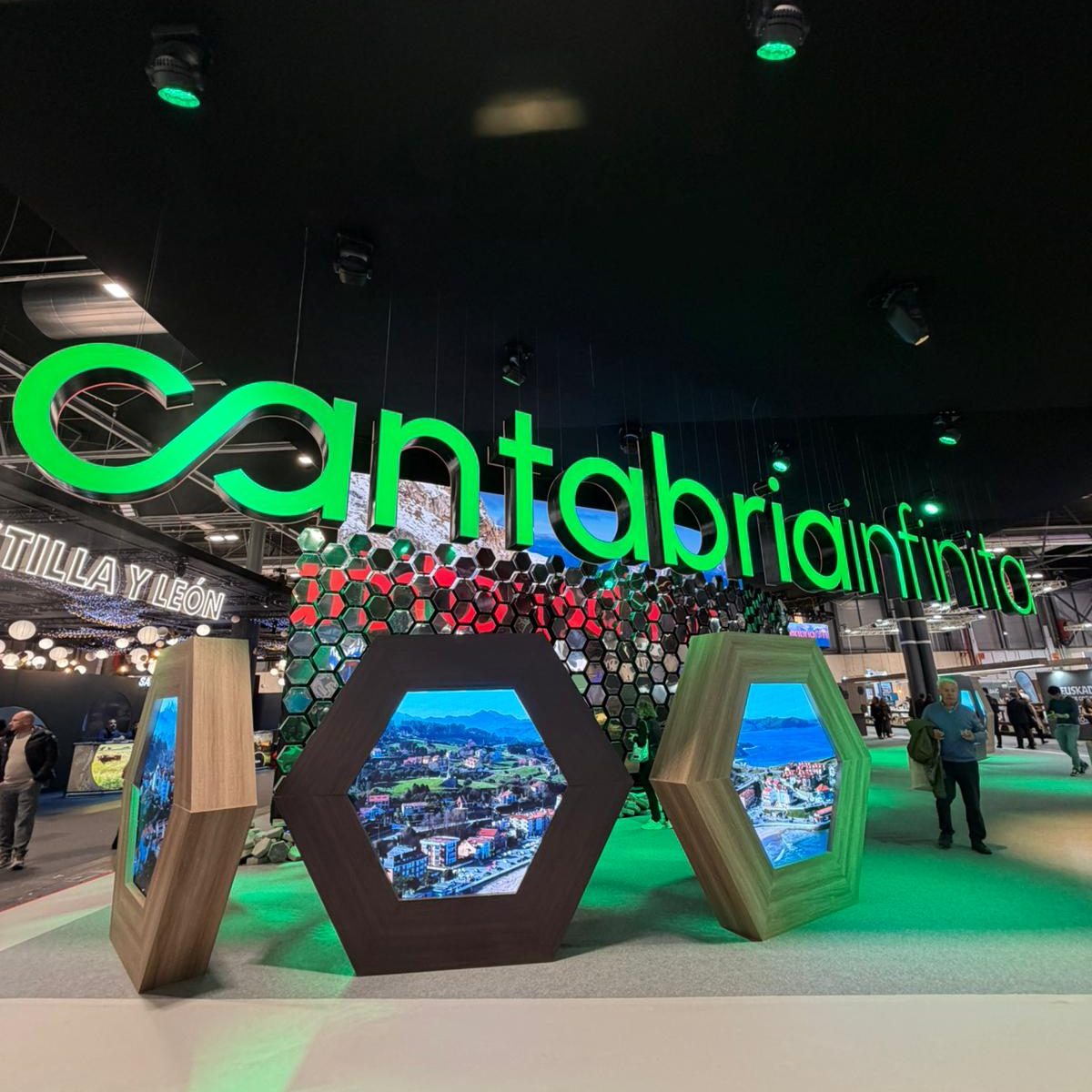
Fitur Madrid 2026 stand cantabria
Fitur Madrid 2026 stand La Rioja
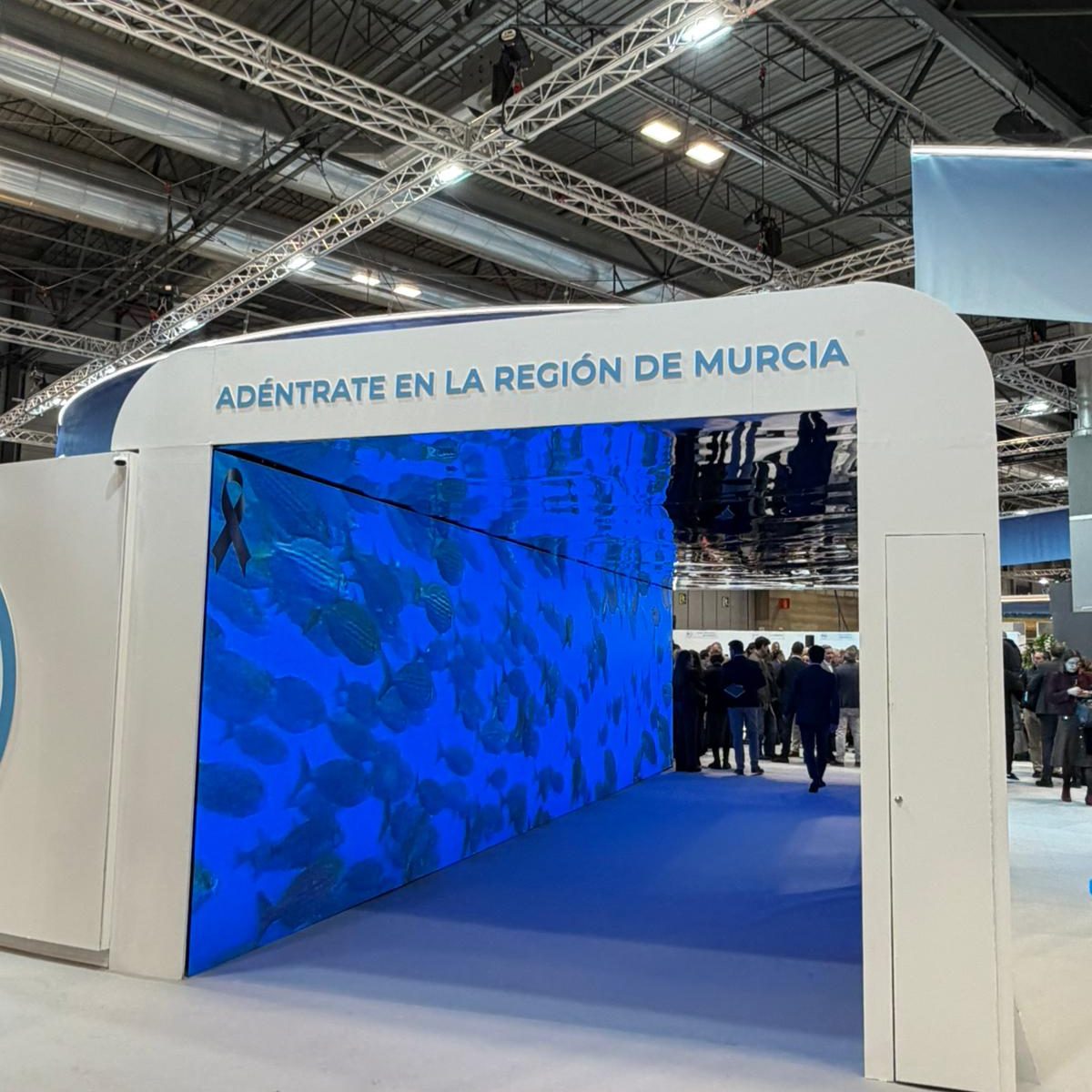
Fitur Madrid 2026 stand Murcia
Fitur Madrid 2026 debate
READ MORE
Technology
Man touching the futuristic blue screen
0 Comments
Share article:TwitterFacebookPinterestLinkedin
63 Views
7 Likes

Technology Trends for Companies in 2026

Technology will continue to be one of the main drivers of business transformation in the coming years. However, looking ahead to 2026, the focus will no longer be solely on adopting new solutions, but on how to use technology strategically to generate real value, efficiency and sustainable growth.

Companies face an increasingly complex environment, where technological innovation must be closely aligned with business objectives. In this context, we review the key technology trends for companies in 2026 and how they will impact the way organisations operate, make decisions and innovate.

1. Artificial intelligence embedded in business processes

By 2026, artificial intelligence will move beyond experimentation to become a cross-functional capability within organisations.

Companies will increasingly focus on:

  • Integrating generative and predictive AI into core business processes.

  • Intelligent automation of repetitive and analytical tasks.

  • Using AI to support strategic decision-making.

The challenge will no longer be adopting AI, but doing so in a secure, responsible and business-aligned way, where technology consulting plays a key role.

2. Hybrid cloud and cost optimisation as the standard

Cloud adoption is already widespread, but by 2026 the trend will be clear: optimisation over migration.

Key focus areas include:

  • Hybrid and multi-cloud architectures.

  • FinOps strategies for cloud cost control.

  • Performance optimisation based on real workloads.

Cloud technology becomes a true innovation enabler when it is properly governed and aligned with financial and operational goals.

3. Software modernisation and reduction of technical debt

Many organisations continue to rely on legacy systems that limit their ability to evolve. In 2026, technology modernisation will be a strategic priority.

Companies will invest in:

  • Microservices-based architectures and APIs.

  • Composable, scalable platforms.

  • Progressive refactoring of critical applications.

Modernisation is not about rebuilding everything from scratch, but about defining a realistic roadmap that enables innovation without disrupting business operations.

4. Cybersecurity integrated by design

Security is no longer reactive; it becomes a core pillar of technology design.

Key trends include:

  • Security by Design approaches.

  • Zero Trust models.

  • Security automation across DevOps and cloud environments.

In 2026, organisations will expect cybersecurity to be embedded from the very beginning of any technology initiative.

5. Data as a strategic business asset

Data will remain one of the most important competitive differentiators. Organisations that succeed will be those able to turn data into actionable insights.

Key developments include:

  • Advanced analytics and BI platforms.

  • AI-driven predictive and real-time analysis.

  • Strong data governance, quality and traceability.

Technology alone is not enough; businesses must transform data into real business value.

6. Intelligent automation and operational efficiency

Automation continues to evolve beyond traditional RPA towards more intelligent and flexible models.

By 2026, organisations will focus on:

  • End-to-end process automation.

  • AI-enhanced workflows.

  • Improved productivity and reduced manual errors.

The goal is clear: free teams from repetitive tasks so they can focus on higher-value activities.

7. Technology focused on impact, sustainability and business value

Technological innovation will increasingly be linked to:

  • Resource optimisation.

  • Energy efficiency.

  • Sustainability and responsible technology use.

Companies will seek solutions that are not only innovative, but that deliver measurable business and environmental impact.

How to prepare for technology trends in 2026

To succeed in this new landscape, organisations should:

  • Define a technology strategy aligned with business goals.

  • Prioritise initiatives with clear return on investment.

  • Work with technology partners that provide vision, expertise and ongoing support.

The key will be balancing innovation, technology and measurable outcomes.

Technology trends for companies in 2026 point to a clear shift: less hype, more real impact. Technology becomes a strategic enabler that, when applied correctly, helps organisations become more agile, efficient and competitive.

At Compass Digital, we support companies throughout this journey, combining technology consulting, innovation and deep business understanding to help them address today’s challenges and prepare for the future.

Contact us
READ MORE
NewsTechnology
0 Comments
Share article:TwitterFacebookPinterestLinkedin
106 Views
53 Likes

Madrid Tech Show 2025

The CompassDigital team attended the 2025 edition of Madrid Tech Show, Spain’s leading technology event. A key meeting point for companies and professionals in artificial intelligence, cloud computing, cybersecurity, and digital transformation, where the future of technology takes shape.

Inspiration, learning and a vision for the future

During our visit, we explored the latest technological trends transforming the industry — from generative AI and intelligent automation to Zero Trust security and hybrid infrastructures.

The event made it clear that artificial intelligence is no longer a promise but a powerful tool for improving efficiency, streamlining processes, and creating new digital experiences. Likewise, hybrid cloud and edge computing have become key strategies for companies seeking flexibility, performance, and security.

Cybersecurity: the great digital challenge

One of the most relevant topics at Madrid Tech Show was cybersecurity, a growing priority as organizations continue to digitize their operations. Discussions around Zero Trust models and automated defense highlighted the need for a proactive approach to data protection.

At CompassDigital, we share this perspective: security must be a core pillar of every digital transformation strategy. That’s why we continue to strengthen our expertise and solutions to help clients protect their information and ensure business continuity.

A renewed commitment to innovation

Beyond trends and technologies, Madrid Tech Show reaffirmed a key idea: innovation only matters when it helps people and organizations grow.

At CompassDigital, we remain committed to a modern, efficient, and sustainable approach to IT consulting. We invest in continuous learning, adopt emerging technologies, and design tailored solutions that drive responsible digital transformation.

Contact
READ MORE
NewsTechnology
0 Comments
Share article:TwitterFacebookPinterestLinkedin
117 Views
73 Likes

CompassDigital at the Tourism Innovation Summit 2025

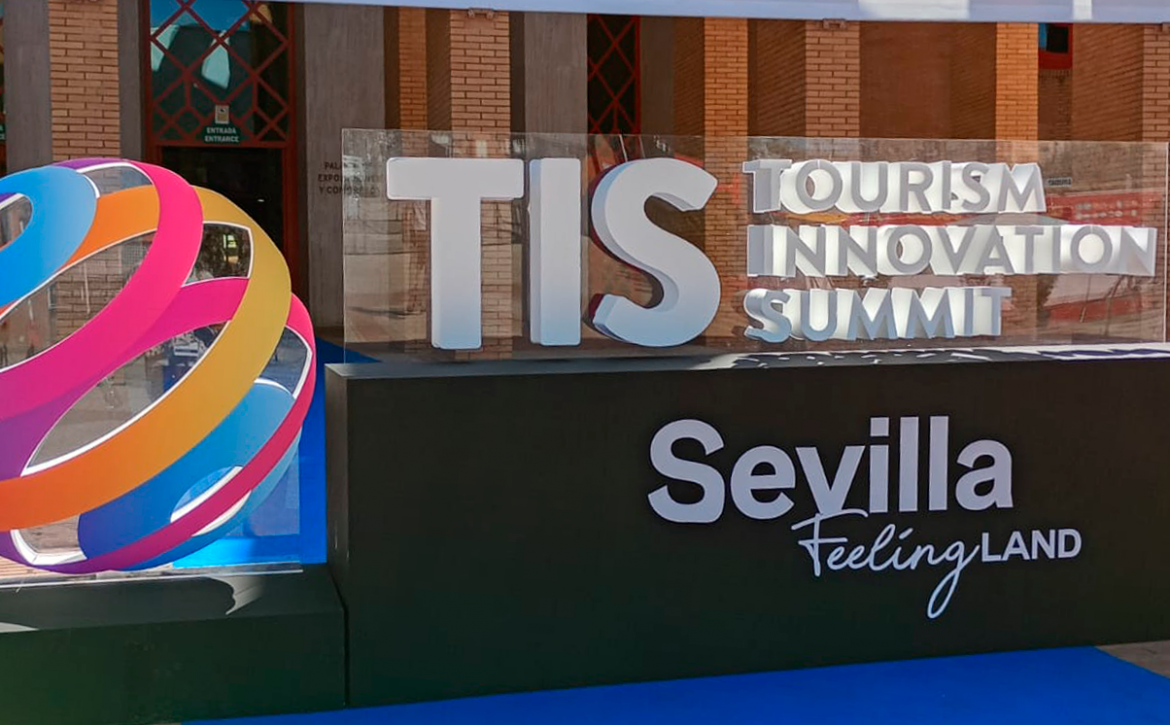
At Compass Digital, we couldn’t miss the Tourism Innovation Summit 2025 (TIS) — the international event held in Seville that brings together leading voices from the tourism and technology industries.
Our visit confirmed what we already believed: the path we’re following toward the digitalization of tourism is the right one.

Artificial intelligence driving a new era in tourism

Artificial intelligence (AI) took center stage at this year’s summit.
The sessions and discussions highlighted how AI is helping tourism businesses increase productivity, optimize operations, and create more personalized traveler experiences.

The use of generative AI, smart automation, and predictive personalization is already redefining how travelers interact with destinations — making tourism more connected, agile, and human-centered than ever before.

Automation and technology that enhance human hospitality

At Compass Digital, we believe technology doesn’t replace human attention — it amplifies it.
Our digital solutions enable hotels and accommodations to automate routine tasks, streamline management, and deliver more personalized service to every guest.

With innovations such as remote reception, intelligent systems, and AI-powered platforms, teams can focus on what truly matters: caring for guests and creating outstanding experiences, wherever they are.

Custom solutions for every accommodation

Every property, every region, and every guest is different.
That’s why at Compass Digital, we design custom digital solutions built around the real needs of each project.

Our goal is simple: to use technology to enhance efficiency without losing the human warmth that defines hospitality.

The future of tourism is already here — and at Compass Digital, we work every day to make it more connected, efficient, and human.

If you’d like to explore how we can help your business optimize operations and elevate your guests’ experience, get in touch with our team and take the next step toward digital transformation.


Contact
READ MORE
NewsTechnology
0 Comments
Share article:TwitterFacebookPinterestLinkedin
127 Views
91 Likes

Empack Madrid 2025: Technological Innovation for Logistics

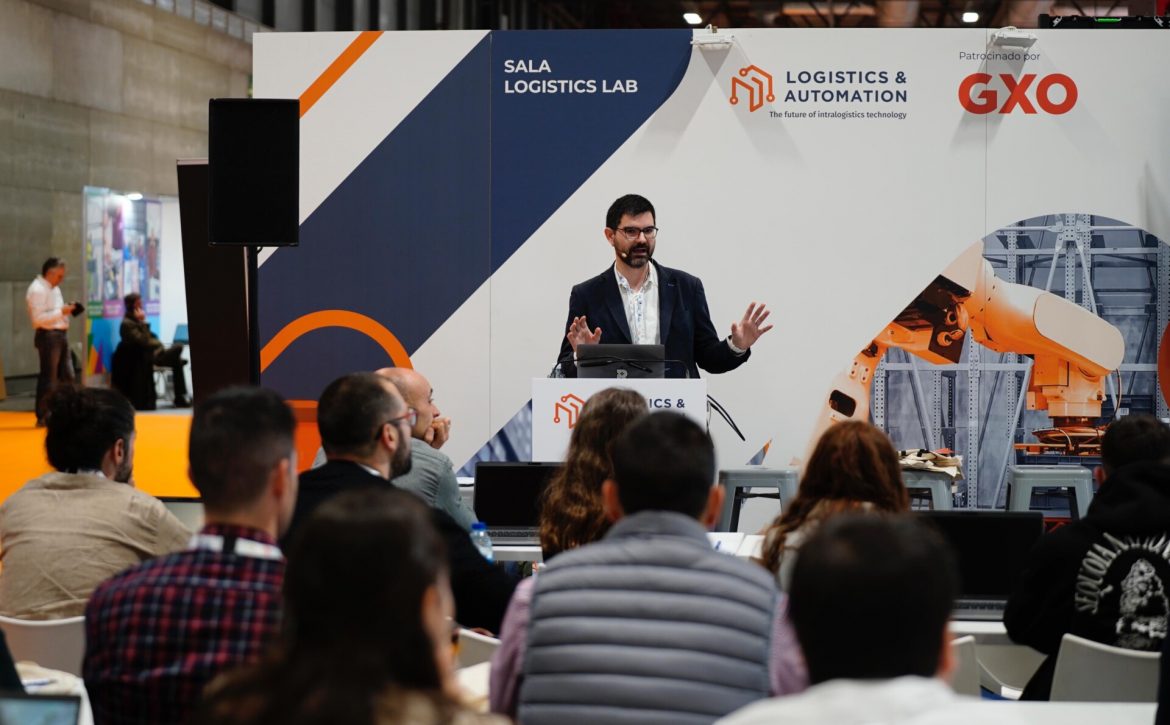
The CompassDigital team visited Empack Madrid 2025, the leading event in packaging, automation, and logistics, held at IFEMA Madrid.

During our visit, we focused on the Logistics & Automation area, where we explored the latest trends in logistics technology, industrial automation, and digital innovation.

Our presence at Empack reinforces CompassDigital’s commitment to the digital transformation of the logistics sector, offering tailor-made technological solutions that adapt to each company’s needs to improve efficiency, traceability, and decision-making.

In this edition, we met with partners and industry leaders to jointly analyze innovations in:

  • Fleet and warehouse management and traceability

  • Automation of logistics processes

  • Real-time data integration

  • Artificial Intelligence applied to logistics

  • Digital solutions to enhance productivity and sustainability

At CompassDigital, we help logistics companies digitize and optimize their operations, developing custom solutions that boost competitiveness and adaptability in an increasingly demanding environment.

In addition to providing technological solutions for logistics, we also offer specialized technical professionals who can strengthen company teams in digitalization and operational expansion projects.

Discover how we can help you optimize your logistics at CompassDigital

READ MORE
NewsTechnology
0 Comments
Share article:TwitterFacebookPinterestLinkedin
156 Views
89 Likes

Digitalization Trends

Digitalization trends are no longer optional, they are reshaping the way organizations operate, deliver services, and compete in today’s market. Emerging technologies such as artificial intelligence (AI), automation, the Internet of Things (IoT), and Big Data are driving this transformation at an unprecedented pace.

At CompassDigital, we help organizations embrace these innovations strategically, turning challenges into opportunities.

1. Artificial Intelligence: from data to decision-making

AI is no longer limited to tech giants, it is now accessible to companies of all sizes.

  • Retail: real-time personalization and predictive product recommendations.

  • Healthcare: AI-assisted diagnostics and hospital resource optimization.

  • Public sector: chatbots and virtual assistants for faster citizen services.

  • Industry: predictive maintenance that reduces downtime and costs.

2. Automation: efficiency at every step

Robotic Process Automation (RPA) eliminates repetitive tasks, reduces errors, and frees up human talent for higher-value work.

  • Retail: automated stock and order management.

  • Healthcare: electronic health records updated without manual input.

  • Industry: smart production lines with real-time quality control.

  • Public sector: streamlined workflows with fewer administrative delays.

3. IoT: connecting to optimize

The Internet of Things (IoT) connects devices and systems, enabling real-time data insights and smarter decision-making.

  • Industry: sensors monitoring machinery 24/7 to optimize production.

  • Healthcare: wearables tracking patients’ health in real time.

  • Retail: smart stores analyzing customer behavior and preferences.

  • Public sector: smart cities managing traffic, lighting, and waste collection.

4. Big Data: intelligence behind the numbers

The true power of Big Data lies in transforming massive datasets into actionable insights.

  • Retail: customer behavior analysis to boost loyalty programs.

  • Healthcare: population studies predicting disease outbreaks.

  • Industry: supply chain optimization and waste reduction.

  • Public sector: data-driven policymaking that meets real citizen needs.

The latest digitalization trends are not the future—they are already shaping the present. The organizations that thrive will be those able to implement these technologies strategically.

At CompassDigital, we help businesses and institutions integrate digital solutions securely, scalably, and effectively.

Contact
READ MORE
NewsTechnology
0 Comments
Share article:TwitterFacebookPinterestLinkedin
279 Views
94 Likes

New Digital Accessibility Law 2025

As of June 28, 2025, the new Digital Accessibility Law comes into effect in Spain, in compliance with European Directive 2019/882, also known as the European Accessibility Act.
This regulation marks a turning point in the design of digital products and services, requiring private companies to meet established web accessibility standards.

What Is the Digital Accessibility Law?

The new law aims to ensure that all people, regardless of their physical or sensory abilities, can access and use websites, mobile applications, and digital products.
Until now, this obligation applied only to the public sector. From now on, private companies are also required to comply with accessibility standards.

Who Does the New Regulation Affect?

The law impacts a wide range of sectors, particularly:

  • E-commerce and online sales platforms

  • Banks, insurance companies, and financial institutions

  • Transportation services (ticketing systems, mobility apps, etc.)

  • Tech companies and software developers

  • Online media and digital publications

In addition, it applies to any company that offers services to the public and exceeds certain thresholds in terms of revenue or number of employees.

What Are the Deadlines and Penalties?

The law is in effect as of June 2025, but some companies will have an adaptation period until 2027.
Failure to comply with the regulation may result in:

  • Significant financial penalties

  • Damage to brand image and reputation

  • Legal risks related to discrimination

How Can We Help You?

At CompassDigital, as experts in web development, UX/UI, and SEO, we help companies comply with digital accessibility regulations, while maintaining high performance, excellent user experience, and strong search engine rankings.

Our services include:

  • Accessibility audits

  • Inclusive web design

  • Adaptation of existing websites and apps

  • Personalized training and consulting

Digital accessibility is no longer optional, it’s a legal requirement and a strategic opportunity.
Improve the experience for all your users, expand your audience, and avoid penalties. The time to act is now.

Not sure if your website meets the new regulations? Contact us,  we’ll help you assess and adapt it.

Contact
READ MORE
NewsTechnology
0 Comments
Share article:TwitterFacebookPinterestLinkedin
206 Views
102 Likes

UX/UI trends

Keys to Designing Effective Digital Experiences for Websites, Apps, and Intranets

In an increasingly digital world, where users expect intuitive, fast, and personalized interfaces, UX/UI design has become a strategic pillar for any digital platform, from corporate websites and mobile applications to intranets and internal tools.
The difference between capturing or losing a user often comes down to one critical factor: the user experience.

Why UX/UI Design Is More Important Than Ever

User experience (UX) and user interface (UI) design are not just visual elements.
They directly impact the conversion rate, user retention, productivity, and even SEO performance of a digital solution.
From an e-commerce app to a corporate intranet, UX/UI design shapes how users interact with technology and how they feel while doing it.

UX/UI Trends in 2025 That Are Making a Difference

1. Accessibility-Centered Design

More and more companies are making inclusive and accessible design a top priority.
Optimized contrast, keyboard navigation, and screen reader compatibility are no longer extras, they are both a legal requirement and an ethical necessity.

2. AI-Driven Personalization

Interfaces now adapt in real time based on user behavior. Apps and websites that “learn” from users to deliver more relevant experiences are on the rise.

3. Dark Mode and Customizable Interfaces

Dark mode has become a standard for improving usability in low-light environments and saving battery life.
But in 2025, the trend goes further: multi-theme interfaces, where users choose how they want to experience their digital environment.

4. Microinteractions to Enhance Engagement

Subtle animations triggered by clicks, scrolling, or completed actions provide visual and emotional feedback, making interfaces feel more dynamic and intuitive.

5. UX Writing and Action-Oriented Microcopy

UX/UI design is no longer just about how things look,  it’s also about how they communicate. Clear, friendly, and action-driven messages improve navigation and reduce human error.

How UX/UI Affects SEO and Business Results

Good UX/UI Design:

  • Reduces bounce rate

  • Increases time on site

  • Improves conversion rate

  • Enhances indexing and organic search ranking

  • Minimizes errors in forms and complex processes

Investing in UX/UI isn’t just about aesthetics, it’s a growth strategy. At CompassDigital, we design smart, user-centered interfaces that transform how your customers, employees, and users interact with your brand.

Looking to redesign your app, website, or corporate intranet?
We help you create digital experiences that connect, convert, and build lasting loyalty.

Contact
READ MORE
NewsTechnology
0 Comments
Share article:TwitterFacebookPinterestLinkedin
206 Views
112 Likes

Web accessibility

Digital design without barriers

When we think about web design, the focus is usually on aesthetics, speed, or conversion.
However, there is another equally important and often overlooked aspect that directly impacts the user experience: accessibility.

Web accessibility is not just a best practice; it is a necessity. It means that anyone, regardless of their abilities, can navigate and use a website, application, or internal platform independently, efficiently, and without barriers.

Why is it so important?

Today, more than one billion people around the world live with some form of disability. If your website or app is not accessible, you’re excluding a significant portion of your audience. Furthermore:

  • It improves user experience: A clear, structured, and user-friendly design benefits all users — not just those with specific needs.
  • It boosts SEO: Google rewards structural clarity, fast loading times, and semantic accessibility — all key elements of accessible design.
  • It ensures legal compliance: Regulations such as Spain’s RD 1112/2018 and the EU Accessibility Directive require adherence to standards like WCAG 2.2.
  • It expands your reach: An accessible digital product means more users, more potential customers, and more opportunities for growth.

Where does accessibility apply?

On corporate websites, ensuring intuitive and adaptive navigation

  • In mobile applications, through voice control, optimized contrast, and gesture-free navigation
  • In intranets and internal platforms, to guarantee equal access for all team members

Investing in web accessibility means committing to a digital experience that is more ethical, efficient, and profitable.
At CompassDigital, we help companies design websites, apps, and intranets that meet accessibility standards and reach more people.

Want to know if your site is accessible? We’ll help you audit it and make the necessary improvements.

Contact
READ MORE
  • 1
  • 2

Entradas recientes

  • Technology Partner: The Key to Stability, Security and Digital Growth
  • Compass Digital at FITURTECHY 2026: Technology Consulting for the Tourism Sector
  • Technology Trends for Companies in 2026
  • Madrid Tech Show 2025
  • CompassDigital at the Tourism Innovation Summit 2025

Comentarios recientes

No comments to show.

Archivos

  • February 2026
  • January 2026
  • November 2025
  • October 2025
  • September 2025
  • July 2025
  • April 2025
  • March 2025

Categorías

  • Healthcare
  • News
  • Success Stories
  • Technology
Recent Posts
  • Technology Partner: The Key to Stability, Security and Digital Growth
    Technology Partner: The Key to Stability, Security and Digital Growth
    11 de February de 2026
  • Compass Digital at FITURTECHY 2026: Technology Consulting for the Tourism Sector
    Compass Digital at FITURTECHY 2026: Technology Consulting for the Tourism Sector
    23 de January de 2026
  • Technology Trends for Companies in 2026
    Technology Trends for Companies in 2026
    13 de January de 2026
Categories
  • Healthcare2
  • News10
  • Success Stories2
  • Technology13
logotype
Contacto
  • +34 617 89 93 50
  • fernando.lopez@compassdigital.es
Síguenos en RRSS
Linkedin

Mercados

AAPPSanidad

IndustriaRetail

Servicios

Diseño y desarrollo de portales webData & analyticsComercio electrónicoMantenimiento de software

Otros enlaces

Aviso Legal

Política de privacidadPolítica de cookiesContacto

© Copyright 2024 CompassDigital all rights reserved.