Compass Digital at FITURTECHY 2026: Technology Consulting for the Tourism Sector
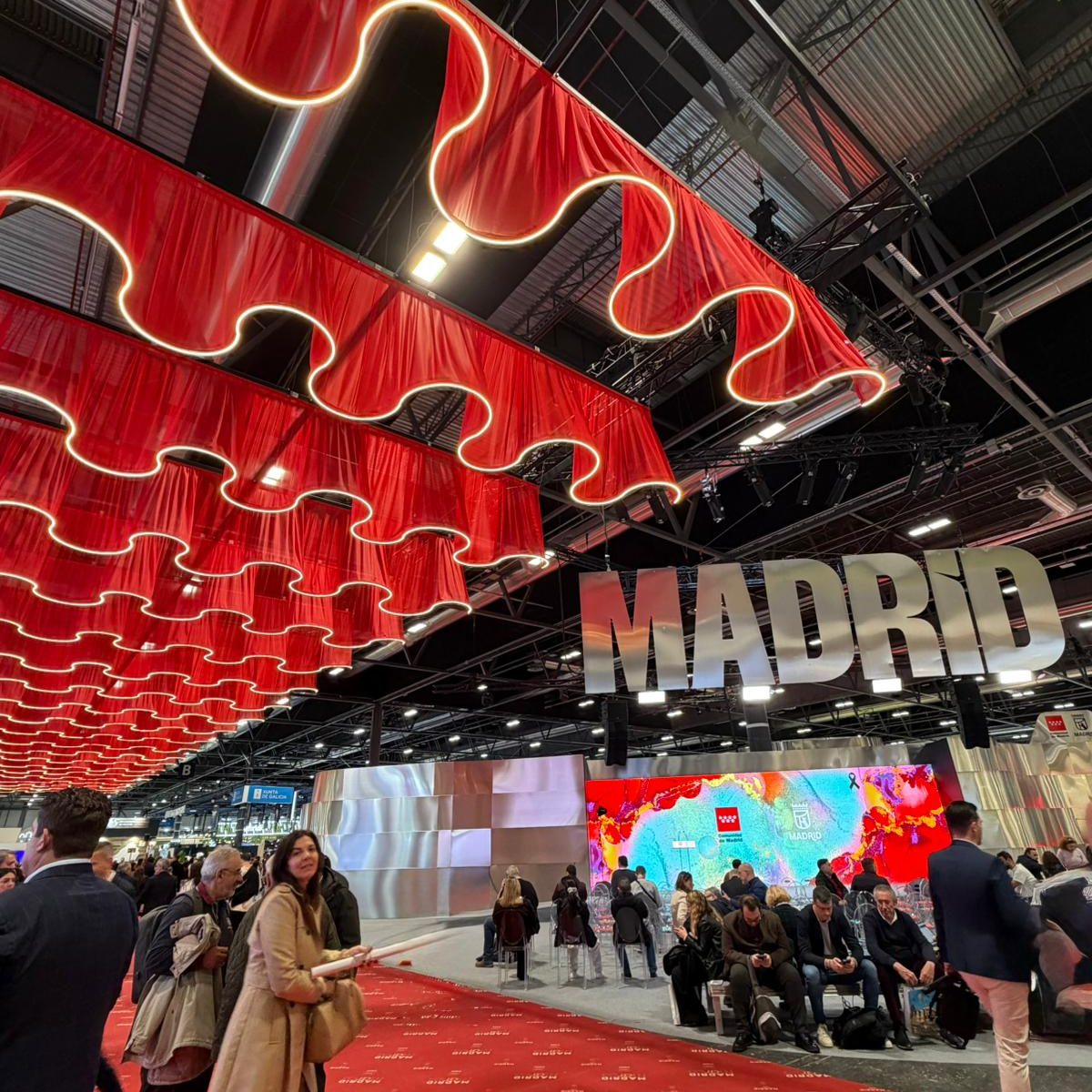
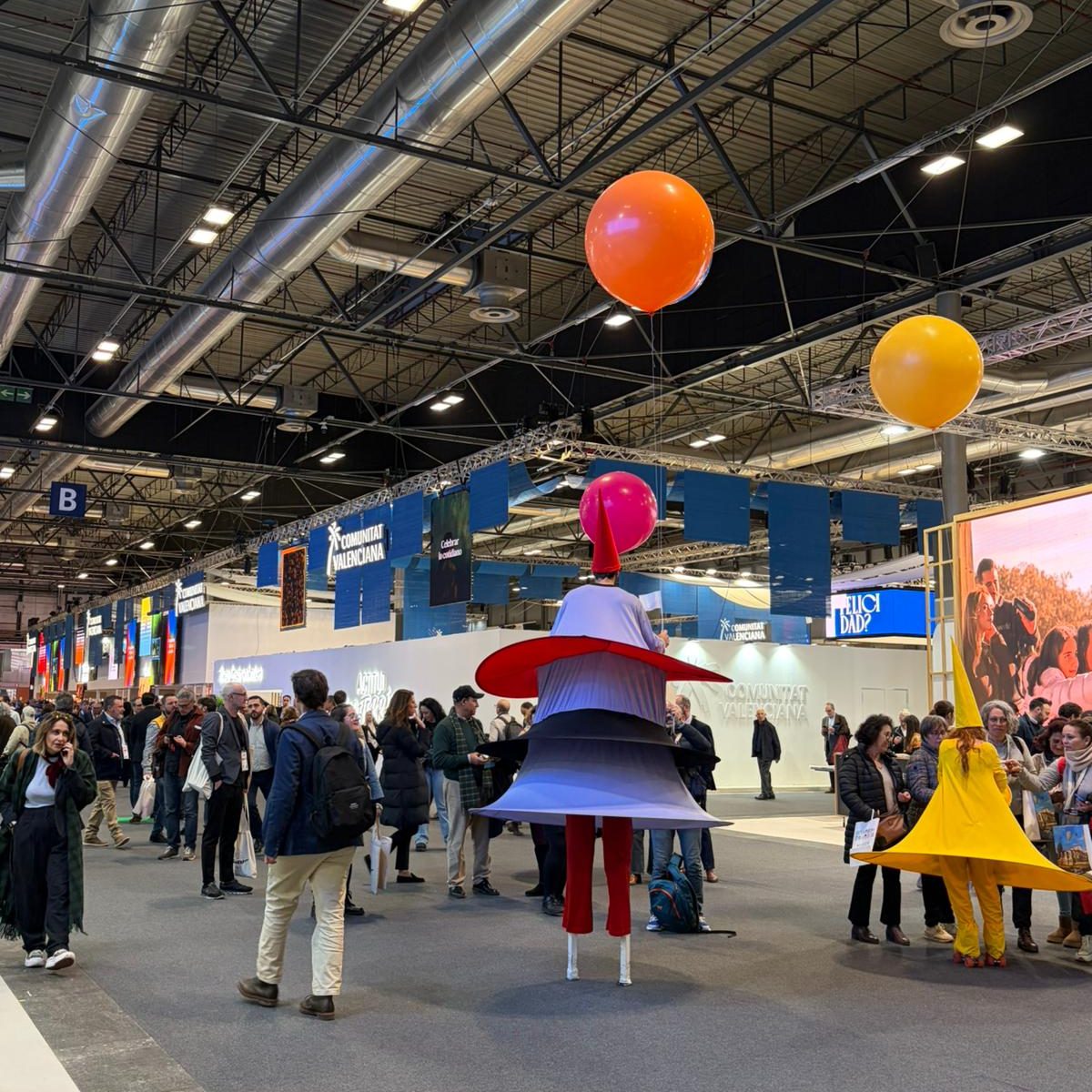
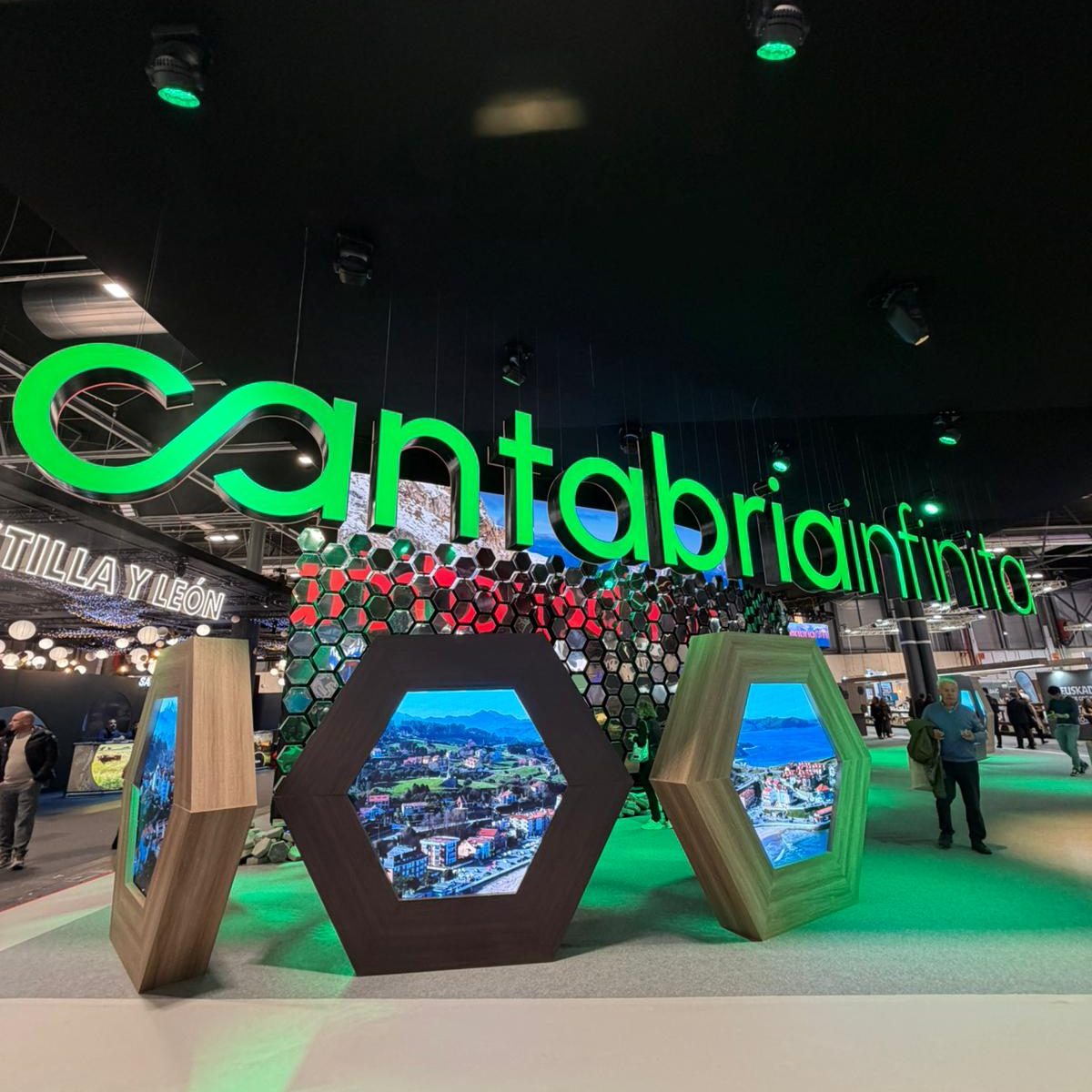
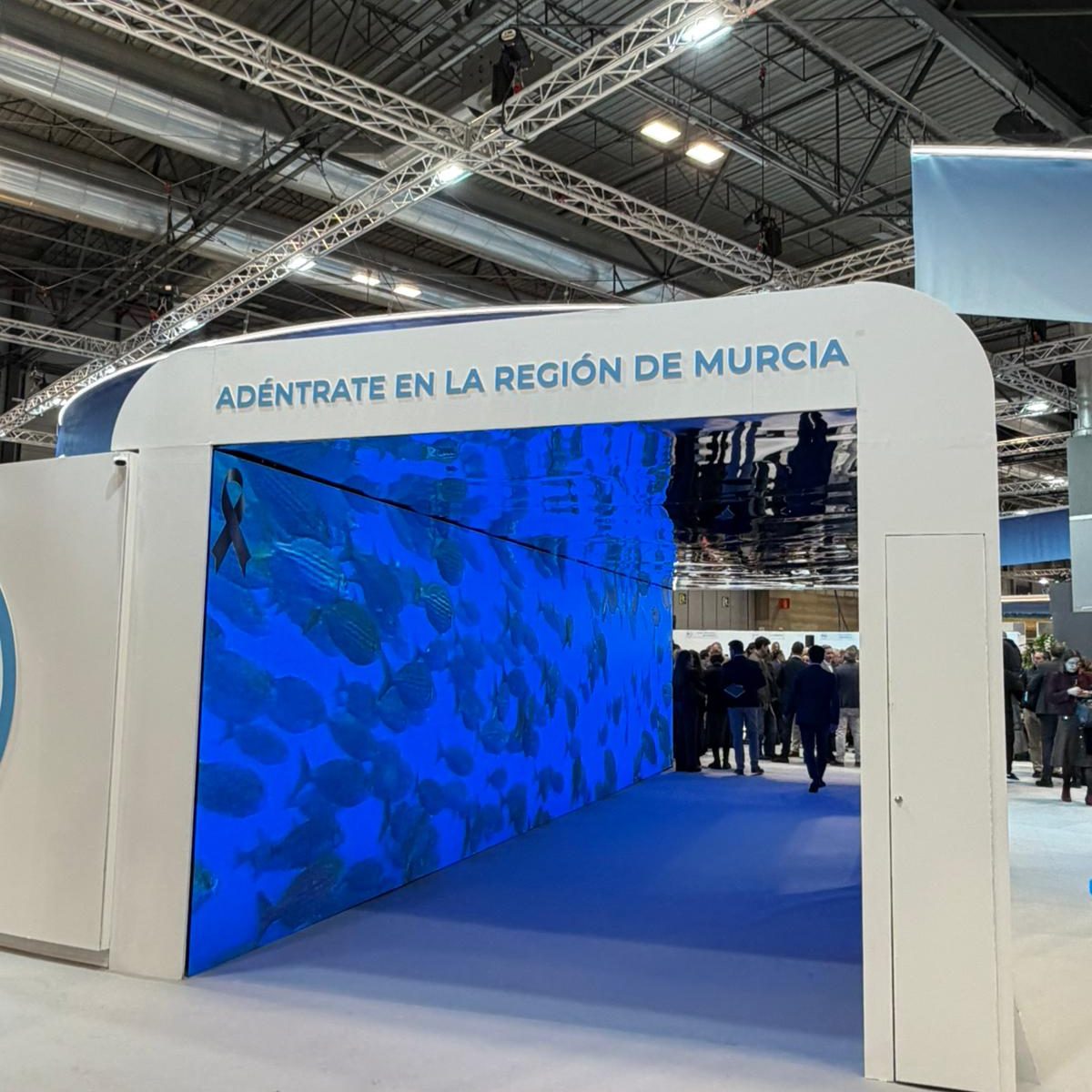
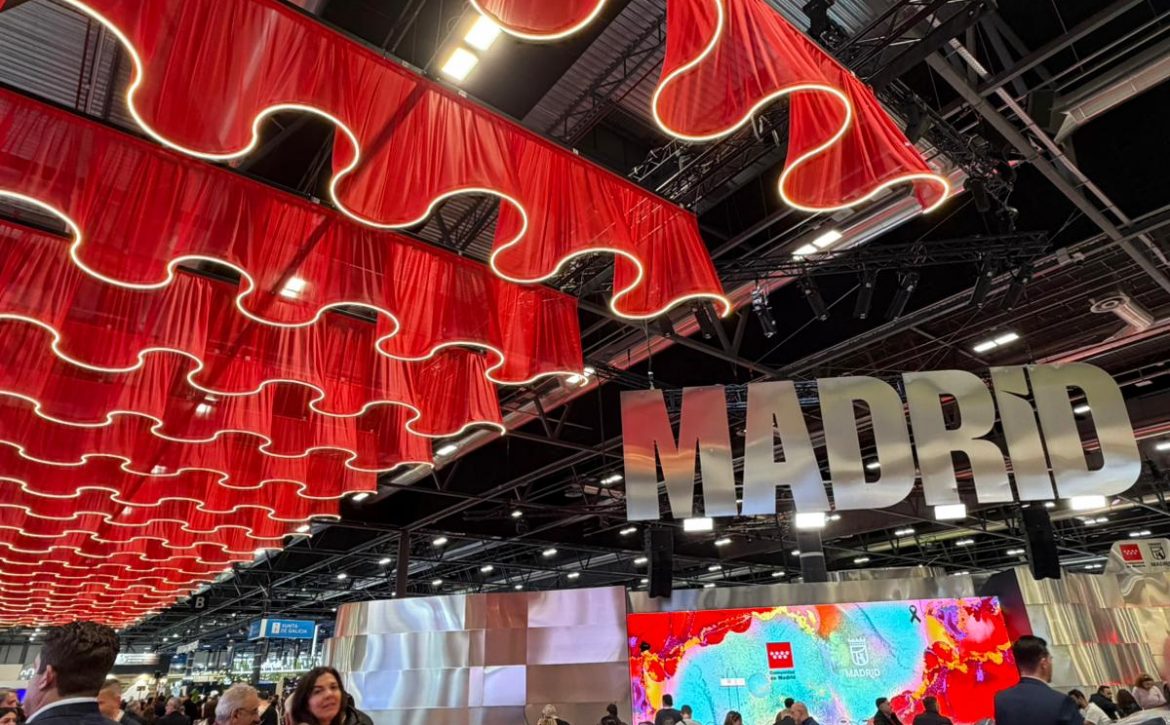
From January 21 to 25, the international tourism sector gathers at FITUR, held at IFEMA Madrid.
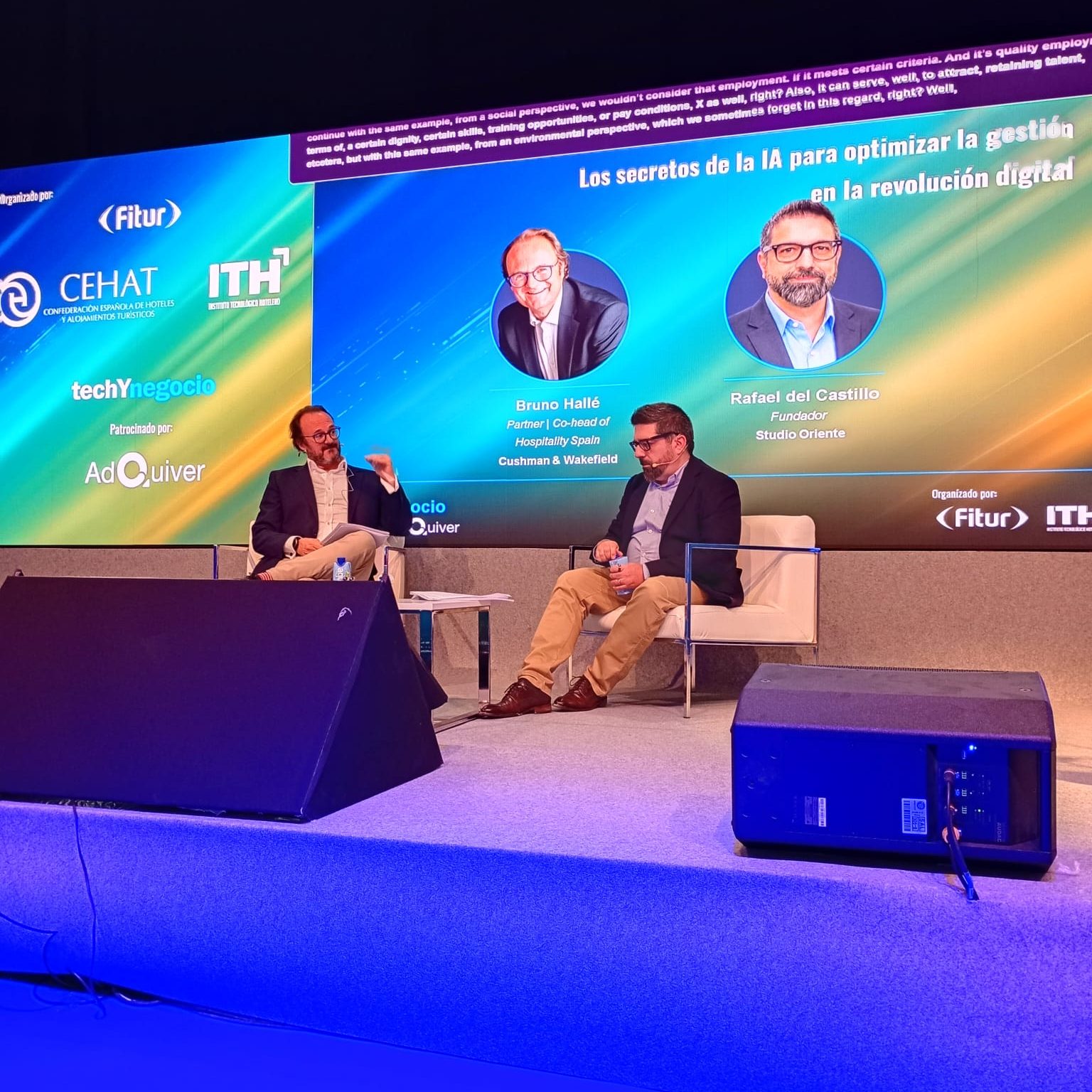
The CompassDigital team was present at FITURTECHY, the leading space where the real impact of technology on the evolution of the tourism sector is analysed.
FITURTECHY: technology, business and sustainability
Held on January 21, 22 and 23, FITURTECHY, organised by the Instituto Tecnológico Hotelero (ITH), has established itself as the key forum to address:
Technology architectures for tourism companies
Digitalisation of critical processes
Data platforms and advanced analytics
Technology applied to sustainability and operational efficiency
A strategic environment for organisations seeking to align technology, business and sustainable growth.
Current technological challenges in the tourism sector
During FITURTECHY, several of the main technological challenges faced by tourism companies were discussed:
System integration and modernisation of legacy platforms
Scalability and performance in complex digital environments
Data exploitation for strategic decision-making
Process automation to improve efficiency and reduce costs
Responsible use of technology as a driver of sustainability
Challenges that require strategic vision, technical expertise and deep sector knowledge.
CompassDigital: technology consulting specialised in tourism
At CompassDigital, we are an IT consultancy with extensive experience in the tourism sector, supporting companies in:
Defining digital transformation strategies
Designing scalable technology architectures
Implementing tailor-made solutions
Optimising processes through automation and data
Our presence at FITURTECHY reinforces our positioning as a technology partner for tourism companies looking to evolve their business model through technology.
Technology as a driver of competitiveness
Participation in forums such as FITURTECHY allows us to anticipate trends, share knowledge and translate innovation into real-world projects.
At Compass Digital, we continue to invest in specialised IT consulting as a key element in building a more efficient, digital and sustainable tourism industry.
If your company is looking for a technology partner, let’s talk.